Environmentally friendly liquid silicone formula upgrade: Solvent-free technology receives FDA food-grade certification
2026,01,29
Environmentally Friendly liquid silicone Formula Upgrade: Solvent-Free Technology Receives FDA Food-Grade Certification, Ushering in a New Chapter in Green Manufacturing Recently, a leading domestic silicone material R&D company announced a major technological upgrade to its independently developed environmentally friendly liquid silicone formula. This upgrade achieves end-to-end green production through a solvent-free process and has successfully obtained FDA 21 CFR 177.2600 standard certification. This breakthrough marks a new stage in my country's technological independence in the field of high-end silicone materials, providing a more environmentally friendly solution for high-safety-standard industries such as food contact and medical health worldwide.
In traditional liquid silicone production, the use of solvents has long been a major environmental pain point for the industry. Solvents not only generate volatile organic compound (VOC) emissions during production but may also affect human health due to residual migration during product use. The upgraded formula uses vapor deposition to replace the traditional solvent method, employing high-temperature vaporization technology to allow the silanizing agent to react directly with the substrate, eliminating the need for organic solvents throughout the entire process. This process not only reduces VOC emissions to near zero but also eliminates the risk of solvent residue at the molecular level. This provides a more reliable safety guarantee for mold materials like food-grade Mold Silicone, which come into direct contact with food, ensuring that they will not cause any contamination to food during baking, confectionery making, and other applications. Simultaneously, for products like Body Silicone Rubber and Medical Grade Body Silicone, which come into direct contact with the human body, the solvent-free technology eliminates potential health hazards such as skin allergies caused by solvents, allowing users to use these products with greater peace of mind. 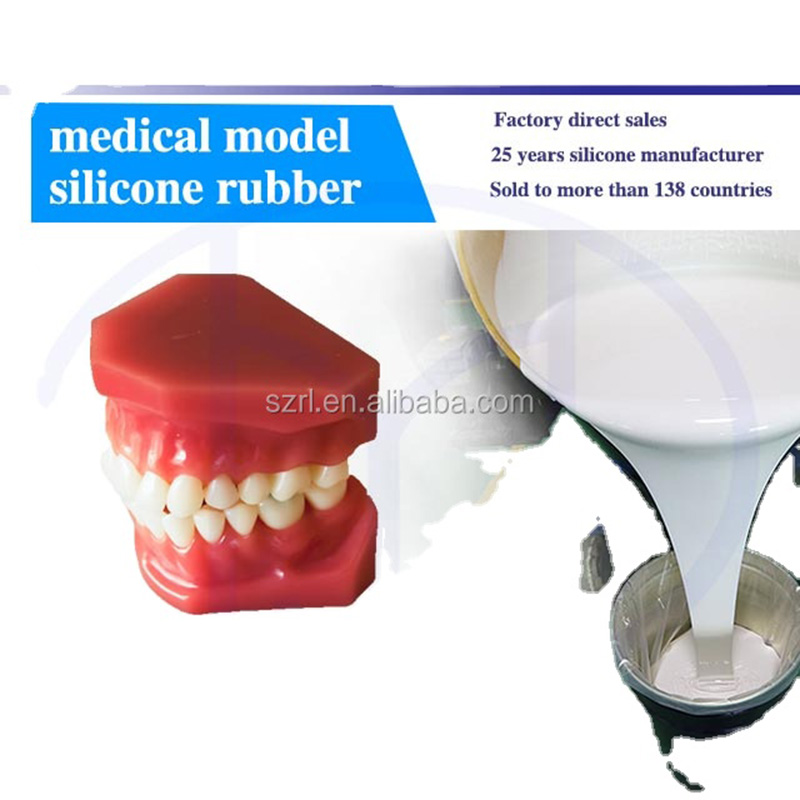
Green manufacturing is another important aspect of this technological upgrade. It is not an isolated breakthrough but a concentrated manifestation of the company's green transformation across the entire industry chain. On the raw material side, by collaborating with upstream suppliers to develop bio-based siloxanes, dependence on petroleum resources is reduced; on the production side, a closed-loop recycling system achieves 100% waste recycling; on the application side, the solvent-free formulation reduces the product's carbon footprint by 45% compared to traditional processes, aligning with the global trend towards carbon neutrality. For manufacturers, this means reducing production costs while enhancing the environmental image of their products, meeting market demand for green products.
This technological upgrade not only gives the company a first-mover advantage in international competition but also, through open technology licensing and joint R&D models, drives upstream and downstream companies to jointly build a green supply chain ecosystem. In the future, the company will continue to deepen the application of solvent-free technology in functional silicone materials such as thermally conductive and electrically conductive silicone, using innovation to lead the industry towards higher safety standards and lower environmental impact.








 Shenzhen Hong Ye Jie Technology Co., Ltd


