







Send Message
Privacy statement: Your privacy is very important to Us. Our company promises not to disclose your personal information to any external company with out your explicit permission.
 Shenzhen Hong Ye Jie Technology Co., Ltd
English
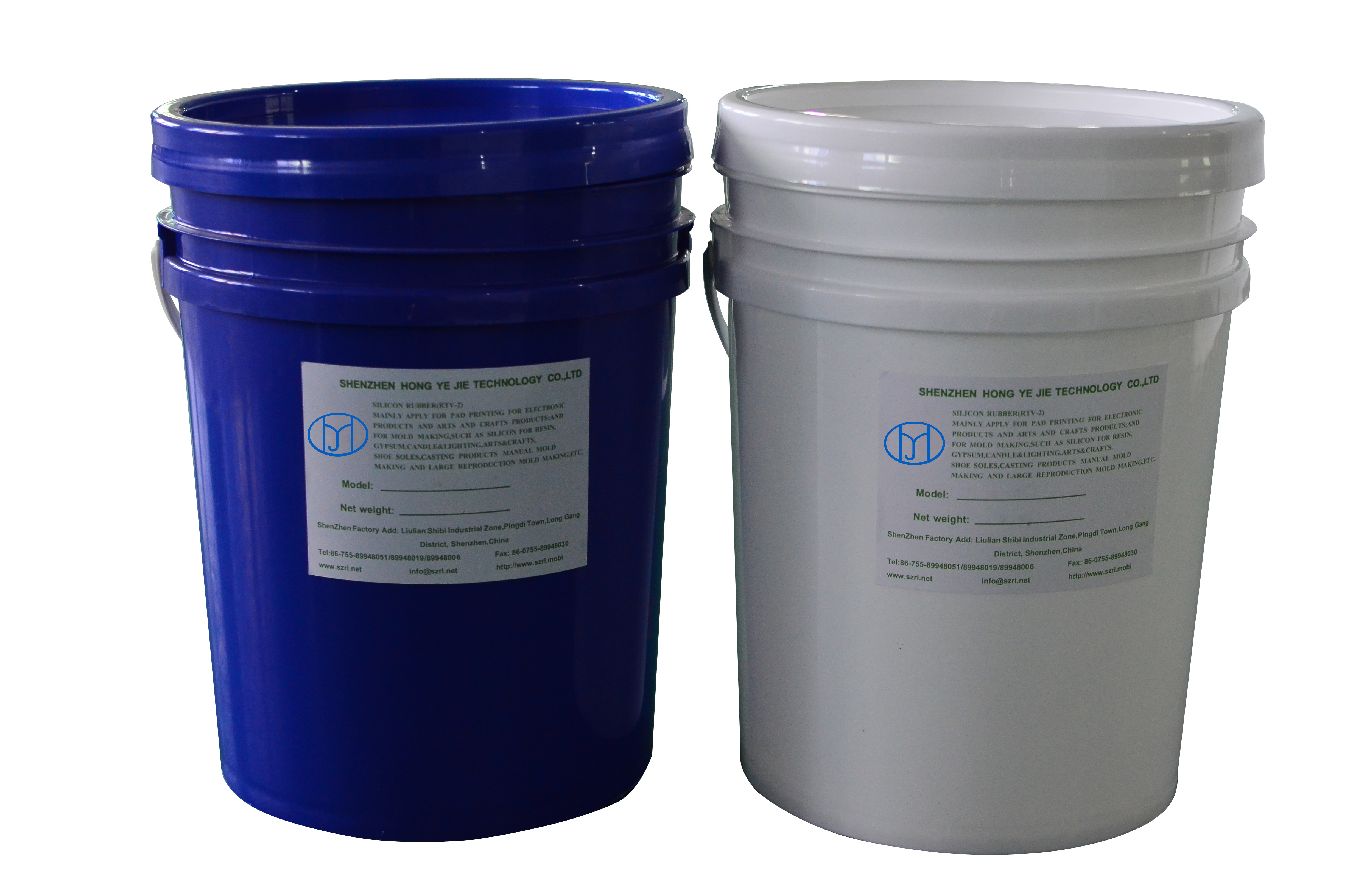
Internal heat accumulation brings multiple negative impacts. High temperature causes drift of flexible sensing film performance and decline of tactile recognition accuracy. It accelerates aging of chips and circuits, raises equipment failure probability and may trigger overheat protection which makes robot shut down and interrupt demonstration. Long-term high temperature environment also speeds up silicone aging, yellowing and attenuation of mechanical performance and shortens service life of bionic skin. Meanwhile surface temperature of skin rises and creates hot touch feeling in direct human robot contact, damaging user interaction experience.
Conventional bionic silicone applied for skin with built-in electronic components has four obvious drawbacks. First, thermal insulation without heat dissipation. Heat produced by electronic parts is trapped inside and cannot be released, temperature keeps rising. Second, uneven heat distribution and local hot spots appear with much higher temperature than other skin areas. Third, formula is not designed for thermal cycle working condition, mechanical performance decays rapidly after repeated heating and cooling. Fourth, most thermally modified materials are hard and lose soft bionic touch, unable to replicate delicate human skin texture with poor simulation effect.
Such bionic skin with dense integrated sensors is widely used for commercial exhibition humanoid robots, research dexterous manipulators and continuous test simulation prototypes. Maintenance and component replacement will be complicated once sensing failure or component damage occurs caused by heat accumulation, directly interrupting project demonstration and scientific research test progress. The global market urgently needs dedicated bionic skin silicone with soft bionic touch, high thermal conductivity and capacity to evenly transfer heat from internal components.
Targeting pain points including internal chip heat accumulation, sensing drift and accelerated component aging of dynamic humanoid robot skin, Shenzhen Hong Ye Jie Technology has completed multiple rounds of thermal conductive powder compounding, thermal conductivity calibration and tens of thousands of high-low temperature thermal cycle durability test, and launched high thermal conductivity heat dissipation bionic skin silicone. Optimized compound system of silicone matrix and thermal conductive filler improves thermal conductivity without sacrificing flexible simulation touch and reduces thermal resistance of material. It quickly conducts heat produced by internal electronic components and releases heat evenly outward without local high temperature hot spots. After multiple groups of long continuous running test, material thermal conductivity stays stable and no thermal attenuation occurs after repeated temperature rise and fall. Tear strength remains stable, no cracking under repeated joint bending and surface hardly generates powder or debris.
Its core strengths lie in high thermal conductivity, quickly transfer accumulated heat from chips and sensing layers, no heat accumulation on skin after long continuous operation, low thermal resistance, uniform heat distribution without local hot spots, balances flexible bionic touch and heat dissipation performance. Most commercial bionic silicone is developed focusing on appearance and tensile touch without formula optimization for heat dissipation of built-in electronic components. It performs well under static touch but has no heat conduction capacity and suffers severe internal heat accumulation in long continuous running, not suitable for humanoid robot scenarios with dense integrated sensors. This high thermal conductivity heat dissipation bionic skin silicone retains excellent capacity to replicate human skin pores and fine lines while focusing on optimizing inherent thermal conduction characteristics. It quickly takes away accumulated heat of sensing chips and eliminates local hot spots, balancing thermal cycle durability and realistic bionic simulation. Ultra-low curing shrinkage realizes high texture reproduction. Platinum eco-friendly formula is non-toxic and odorless for safe close human robot dynamic interaction.
Compatible with pouring and brushing molding processes for one-piece forming of palm, face, arm and torso skin integrated with sensing modules, with high yield and stable batch thermal conductivity and thermal resistance indicators. It supports small-batch reliability sampling for high-density sensing robot prototypes and bulk procurement for bionic robot skin. This high thermal conductivity heat dissipation bionic skin silicone applies to long continuous exhibition humanoid robot skin, research dexterous manipulator skin with built-in sensing chips, movable bionic art models, interactive prototypes embedded with high-density pressure sensors and university thermal and robot tactile simulation test equipment.
Hong Ye Jie Technology continues to iterate a full differentiated bionic silicone matrix covering self-healing, hydrolysis-resistant, high-tear-strength, low-shrinkage precision molding, high-resilience anti-deformation, matte anti-fingerprint, zero-bleed clean-grade, low-odor low-VOC, antibacterial hygienic, weathering anti-aging, anti-static low dust accumulation, sensor-compatible flexible substrate, high elongation large stretch, wide temperature range stable, sebum resistant anti-grease, low friction silent, high thermal conductivity heat dissipation series. Free sample testing, customized hardness skin tone thermal conductivity and full-process molding technical support are available. It helps global high-density sensing humanoid robot projects solve internal heat accumulation problem of electronic components under skin, stabilize sensing acquisition accuracy, slow down aging of electronic parts, reduce equipment shutdown failure rate and improve reliability and bionic interactive experience of long continuous exhibition.


August 31, 2026

August 25, 2026

October 14, 2026

September 28, 2026
Email to this supplier
August 31, 2026
August 25, 2026
October 14, 2026
September 28, 2026
Privacy statement: Your privacy is very important to Us. Our company promises not to disclose your personal information to any external company with out your explicit permission.
Fill in more information so that we can get in touch with you faster
Privacy statement: Your privacy is very important to Us. Our company promises not to disclose your personal information to any external company with out your explicit permission.