With the rapid upgrading of global humanoid robot technology, product application has shifted from static display to high-dynamic intelligent interaction. Dynamic humanoid robots with rich micro-expressions and flexible joint movements have become the mainstream of commercial applications. High-frequency joint flexion and extension, repeated limb swinging and long-term fixed posture display put forward extremely strict requirements on the dynamic resilience, fatigue resistance and deformation stability of bionic skin materials. Traditional static simulation silicone cannot adapt to high-intensity dynamic working conditions, prone to relaxation deformation, residual wrinkles and compression collapse, which seriously reduce the dynamic simulation effect and commercial display grade of robots and restrict the large-scale popularization of high-end dynamic humanoid robots.
Conventional bionic silicone has prominent dynamic performance defects in high-frequency movement scenarios. Insufficient molecular toughness leads to slow rebound and easy relaxation after repeated stretching, resulting in accumulated joint wrinkles and sagging skin. Long-term static compression causes irreversible depression and collapse deformation, making the robot’s appearance out of shape and unable to recover automatically. After thousands of dynamic cycles, the material’s elasticity attenuates significantly, with softening surface and poor deformation stability, resulting in continuous decline of dynamic simulation quality. Frequent skin cracking and peeling further increase maintenance frequency and operational cost, bringing long-term operational pressure for dynamic robot projects.
High-end dynamic simulation dolls, film and television dynamic prosthetics and repeated deformation teaching models also face the same dynamic fatigue and deformation dilemma. Long-term cyclic deformation and fixed posture placement make ordinary silicone prone to elastic attenuation and morphological instability, unable to maintain high-end dynamic simulation effect. Frequent refurbishment and replacement greatly increase operational costs. The global dynamic bionic industry is in urgent need of professional high-resilience anti-fatigue stable skin materials adapted to high-frequency dynamic working conditions.
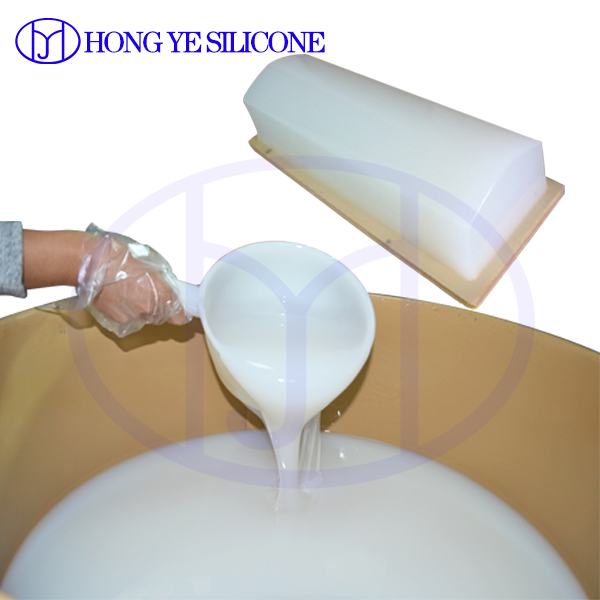
Targeting the core pain points of dynamic relaxation, residual wrinkles and compression deformation of bionic skin, Shenzhen Hong Ye Jie Technology launches HYJ-RS-048 high resilience anti-fatigue dynamically stable bionic silicone after tens of thousands of dynamic fatigue tests and molecular structure optimization. Breaking the static performance limitation of traditional silicone, this product realizes comprehensive upgrading of dynamic resilience and fatigue durability through high-elastic molecular chain reinforcement modification, perfectly solving multiple dynamic failure problems such as movement relaxation, wrinkle accumulation and long-term compression collapse.
The product features industry-leading instant rebound performance and long-term dynamic stability. It can quickly reset without hysteresis or residual wrinkles after any stretching and bending deformation. Tens of thousands of fatigue tests verify that the material maintains stable elasticity and neat morphology without relaxation or deformation attenuation. It effectively improves the dynamic movement fluency and appearance consistency of humanoid robots, greatly extending the service life of dynamic bionic skin and reducing long-term operation and maintenance costs.
It achieves perfect balance between ultra-high static simulation fidelity and dynamic operational stability. The ultra-low shrinkage rate accurately restores delicate human skin micro-textures without artificial plastic sense. The optimized high-elastic color fastness system ensures stable color rendering without whitening or mottling during long-term dynamic deformation. Excellent dynamic fatigue resistance guarantees stable cortex structure without cracking or peeling during long-term cyclic movement.
Adopting high-purity medical-grade platinum eco-friendly system, the silicone is non-toxic and skin-friendly, safe for long-term public dynamic human-computer interaction and close exhibition scenarios. Compatible with pouring and brushing molding processes, it delivers high-yield uniform finished products with stable batch dynamic performance, supporting mass production of dynamic robots and customized production of high-end dynamic simulation exhibits.
This high-resilience anti-fatigue silicone is widely applied in dynamic humanoid robot joint skin, facial micro-expression layers, high-frequency swinging limbs, dynamic film and television prosthetics and repeated deformation simulation teaching models requiring long-term dynamic stability.
Hong Ye Jie Technology continues to iterate full-scene differentiated bionic silicone formulas to cover static texture, touch experience, wear resistance, environmental adaptability and dynamic stability needs. We provide free sample testing, personalized customization and full-process technical support, helping global customers upgrade dynamic robot performance, solve fatigue deformation problems and improve commercial application value.








 Shenzhen Hong Ye Jie Technology Co., Ltd