



Haptic-Friendly Robot Skin Silicone
$10-16 /
| Min. Order: | 1 |
| Transportation: | Ocean,Land,Air,Express |
Share:


 Shenzhen Hong Ye Jie Technology Co., Ltd
English
$10-16 /
| Min. Order: | 1 |
| Transportation: | Ocean,Land,Air,Express |
Share:
Model No.: HY-E610
| Picture Example | : |

|
The file is encrypted. Please fill in the following information to continue accessing it
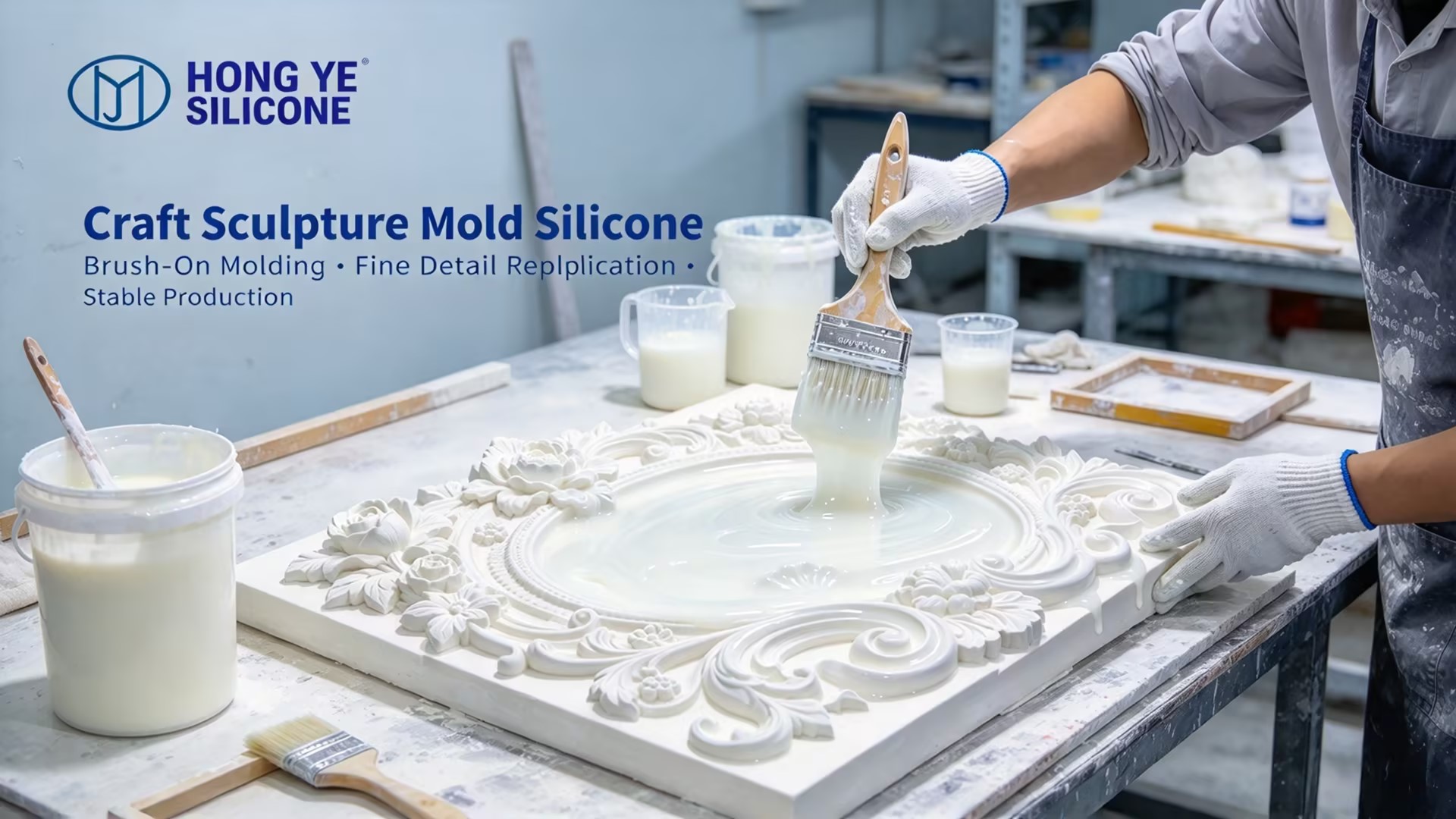
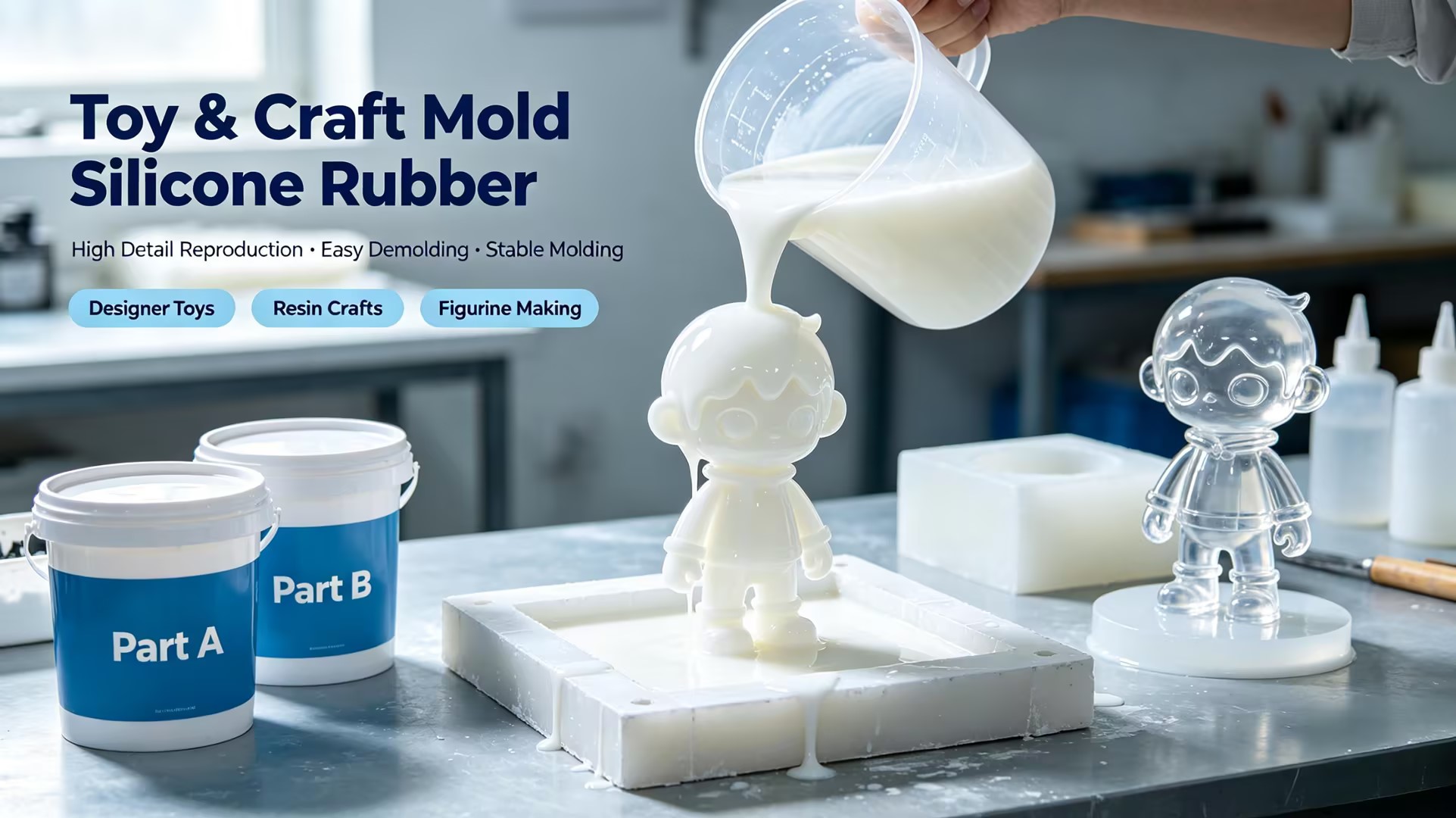
This sensor-compatible substrate bionic silicone adopts molecular purification and formula optimization, removing active small molecules that corrode flexible conductive circuits, achieving non-corrosion to sensing films and conductive loops. Low heat release during curing protects thermal-sensitive sensing components in one-shot encapsulation molding. Mechanical properties are precisely tuned. During stretching, bending and twisting, silicone matrix deforms synchronously with flexible sensing layers. Pressure transfers evenly to sensors and greatly reduces signal drift and distortion caused by deformation, ensuring stable collection of pressure, touch position and contact force signals. It follows standard 1:1 weight mixing ratio and cures at room temperature, heating is available to speed up production. Both pouring and brush coating encapsulation processes are supported, allowing one-step composite structure manufacturing by embedding flexible sensing arrays. Hardness ranges from 3A to 18A. 3A‑8A ultra-soft substrate grade is suitable for thin haptic sensing skin on face, fingertips and palms, with human-like soft touch and sensitive pressure transmission. 9A‑18A tough grade fits large-area distributed haptic skin for arms and torsos, balancing structural support, tear resistance and synchronous deformation for sensing.
Core advantages: sensor compatible low interference formula, no corrosion to built-in sensing circuits, stable haptic signal transmission, ultra-thin molding for flexible sensors and synchronous deformation without signal interference. Traditional bionic silicone only focuses on appearance simulation, ignoring compatibility with embedded sensors. After making haptic bionic skin, it works normally in short-term test, but sensors age and signals get disordered after long time running. R&D teams suffer high cost of wasted material and repeated prototype debugging. This special substrate silicone eliminates chemical erosion to sensing components from material source. Matching mechanical deformation characteristics of sensors ensures long-term stable operation of haptic perception system. With ultra-low curing shrinkage rate, it can precisely replicate skin pores and fine lines even for ultra-thin skin, balancing high-fidelity appearance simulation and intelligent haptic perception.
The formula delivers good dynamic mechanical performance. It resists cracking and peeling after tens of thousands of repeated bending and stretching cycles. Platinum eco-friendly system is non-toxic and odorless, safe for close human robot contact. The silicone has controllable fluidity and excellent defoaming performance. Ultra-thin molded parts have low bubble and pinhole rate. Sensors are tightly bonded with silicone matrix without gaps, reducing pressure signal loss. Batch consistency is reliable, and sensing interference indicators are inspected per batch. It supports small sample prototyping, pilot test and mass supply for robot projects.
Shenzhen Hong Ye Jie Technology maintains a full differentiated bionic silicone portfolio covering self-healing, hydrolysis-resistant, high-tear-strength, low-shrinkage precision molding, high-resilience anti-deformation, matte anti-fingerprint, zero-bleed clean-grade, low-odor low-VOC, antibacterial hygienic, weathering anti-aging, anti-static low dust accumulation and this new sensor-compatible flexible substrate series. Customization for hardness, skin tone and elastic modulus is available. Sensor compatibility test reports and sample evaluation can be provided to help haptic humanoid robot and dexterous hand projects solve circuit corrosion and signal drift problems, shorten R&D cycle and reduce scrapping cost of sensing components.
Main Features
Operating Instructions Stir Part A and Part B separately for more than 3 minutes before use. Mix strictly at 1:1 weight ratio and fully stir for 2‑3 minutes while scraping bottom and wall. Carry out sufficient vacuum defoaming after mixing to reduce bubble defects. Control pot life for sensor embedded molding. Room temperature pot life is 40‑50 minutes; full curing takes 6‑10 hours at room temperature. Heat at 50‑70℃ to accelerate curing, low temperature protects inner sensors, temperature over 80℃ is forbidden. Preprocess flexible sensor surface before molding to improve interface adhesion between silicone and sensing film.
Notes Platinum cured silicone must avoid contamination of sulfur, tin, lead and phosphorus substances, which may cause curing failure and degrade sensor compatibility. Keep molds and mixing tools clean and dry. Conduct small sample test on heat resistance and interface adhesion of sensors before embedded molding. Cure slowly after molding, rapid temperature rise may damage sensors. Avoid strong corrosive gas and long time high temperature exposure for finished products to maintain stable operation of sensing system.
Packing & Storage Part A and Part B are separately sealed in drums: 5KG, 20KG, 200KG. Store in cool dry and ventilated warehouse away from high temperature heat source. Sealed shelf life is 12 months. Non hazardous goods, regular logistics available.


Privacy statement: Your privacy is very important to Us. Our company promises not to disclose your personal information to any external company with out your explicit permission.
Fill in more information so that we can get in touch with you faster
Privacy statement: Your privacy is very important to Us. Our company promises not to disclose your personal information to any external company with out your explicit permission.



 Contact Now